
Annie & the Hedonists, free outdoor concert at The Clark
 |
Concerts are held on the Clark's expansive south lawn (picnics, blankets, and lawn chairs encouraged). The Clark will sell barbeque fare and the galleries will remain open until 6 pm on concert evenings. In the event of rain, concerts will be held in the auditorium. Concert admission is free.
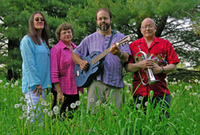
Boasting influences as diverse as Billie Holiday and Bob Dylan, Annie & the Hedonists offers something for everyone. With tight harmonies, the band performs an eclectic mix of acoustic folk, torchy blues, standards, bluegrass, gospel, and early jazz. The musicians are known for their creative arrangements, and have interpreted everything from Joni Mitchell's River to the popular jazz tunes like Everybody Loves My Baby.
Based out of Schenectady, New York, the quartet consists of Annie Rosen on lead vocals, Jonny Rosen on guitar, Betsy Fry on bass, and Steve Fry on mandolin, trumpet, guitar, and keyboard. For the group's Clark performance, the two couples will be joined by special guest Peter Davis on clarinet, banjo, and piano. The musicians have been playing together for more than fifteen years, and their chemistry is reflected in their music's relaxed, organic sound. Don't miss out on the group that Metroland named 2008's "Best Acoustic Band."
The remaining concerts include the Equalites on July 21 and the Primate Fiasco on July 28. This concert series is supported in part by Williamstown Savings Bank.
On view this summer at the Clark is Dove/O'Keeffe: Circles of Influence. Georgia O'Keeffe burst onto the New York art scene in 1916 and captured the imagination of people around the world, not only with incredible artistic talent, but through her bohemian spirit as well. Experience this distinctly American artist's early works with those of modernist Arthur Dove, whom she credited as having the most significant role in the formation of her abstract works. Also on view is Through the Seasons: Japanese Art in Nature featuring traditional screens and scrolls and contemporary ceramics, emphasizing the inspirational role of nature in Japanese art. Clark docent Adele Rodbell will lead tours of Through the Seasons at 4:30 pm on Tuesdays in July. Cost is free with gallery admission.
The Clark is located at 225 South Street in Williamstown, MA. The galleries are open daily, 10 am to 5 pm (closed Mondays September through June). Admission June 1 through October 31 is $12.50 for adults, free for children 18 and under, members, and students with valid ID. Admission is free November through May. For more information, call 413-458-2303 or visit clarkart.edu.


