
Beware of Backyard Invaders: Stop the Spread of Weeds
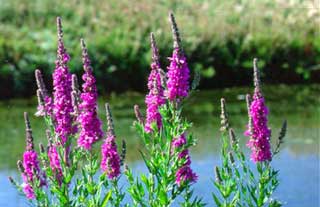 Purple loosestrife is pretty but can spread out of control, killing off native species. The Nature Conservancy offers ways to deal with invaders. |
Plants such as purple loosestrife, kudzu, giant salvinia, multiflora rose and tree of heaven have been used widely in horticulture and landscaping, and can be found in backyards and business lots across the country. At first glance, these plants may look pretty, but their beauty is deceptive.
Known as invasive species, plants like these are typically transplants from distant places. Once free from the natural checks and balances in their native habitats, these alien invaders establish themselves in new areas and quickly spread out of control. They hoard light, water and nutrients, and can alter entire ecosystems by changing soil chemistry.
With intentional and unintentional assistance from people, these problematic plants are spreading at an alarming rate, infecting natural areas across the United States.
"Keeping invasive plants out of our backyards helps the environment and the economy," said Wayne Klockner, director of The Nature Conservancy of Massachusetts. "Taking the time to remove invasive plants and replace them with non-invasive varieties is a great example of bringing new energy to the old adage: think globally, act locally."
Because many invasive plants are spread by unsuspecting gardeners, The Nature Conservancy has created a wallet insert that gardeners can carry with them when shopping at their local nurseries. The insert lists the worst invasive plants for each region of the country. If you see one of these plants at your local nursery, consider buying another plant instead and talk to the nursery owner about stocking non invasive varieties. The wallet insert can be downloaded here.
Businesses as well as consumers can play a role. The Conservancy works with nursery and horticulture groups to encourage the adoption of Voluntary Codes of Conduct, which aim to stop the spread of invasive plants.
What You Can Do
You can help stop the introduction and spread of invasive species. Help protect native plants and animals by following these six easy guidelines:
1. Verify that the plants you are buying for your yard or garden are not invasive. Replace invasive plants in your garden with non-invasive alternatives. Ask your local nursery staff for help in identifying invasive plants. You may also visit the New England Wildflower Society's Web site, which provides information on native plants as well as a listing of landscape designers who specialize in native plants.
2. When boating, clean your boat thoroughly before transporting it to a different body of water.
3. Clean your boots before you hike in a new area to get rid of hitchhiking weed seeds, insects or other organisms.
4. Don't "pack a pest" when traveling. Firewood, fruits and vegetables, plants, insects and animals can carry pests or become invasive themselves.
5. Don't release aquarium fish and plants, live bait or other exotic animals into the wild.
6. Volunteer at your local park, refuge or other wildlife area to help remove invasive species. Help educate others about the threat.
The Nature Conservancy is a leading conservation organization working around the world to protect ecologically important lands and waters for nature and people. The Conservancy and its more than 1 million members have protected nearly 120 million acres worldwide. Visit The Nature Conservancy at www.nature.org.


