
BRTA Seeks to Restructure Transit Network
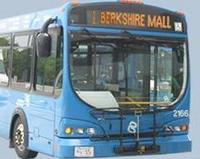 |
That's the question the Berkshire Regional Transit Authority is trying to answer as it looks to revamp its antiquated busing system.
The routes were set in place some 35 years ago, when the major county employer was General Electric. Now, the goal is to provide more flexible transportation for workers no longer dictated by the punch clocks of shuttered mills.
The bus network also has to deal with a larger number of disabled riders while seeking to serve a varied population and encourage more people, including tourists, to utilize the system.
That could mean expanding its evening and morning hours and instituting Sunday routes, options that were heavily favored among some 668 surveys of passengers, drivers and others.
But the data collected along with the survey don't really support that expansion, said Alison Church, transportation program manager with the Berkshire Regional Planning Commission, at a public input session on Wednesday at Western Gateway Heritage State Park. "But I'm just the consultant. That decision is up to the BRTA."
The disconnect between what the data shows and the surveys say may be in part because of incomplete information. For example, only one Berkshire Community College student completed a survey but drivers said reducing runs according to the data would definitely affect the college.
Still, there was enough information to make some recommendations: use smaller vehicles, expand into employment areas and routes not being served, ensure access for handicapped, provide "feeder" service to main routes, promote using the bus for non-work related trips and eliminate flagged stops. That last may be tough to do because survey respondents liked being able to flag down a bus.
Instead, the drivers would have longer times between scheduled stops, so if there's a delay at one stop, the extra time would allow them to catch up. In dense population areas, "feeder" minibuses would pick up passengers and deposit them at the scheduled stops.
Alice Cande of North Adams said the service had to get better to encourage more people to use it. Having come from an urban area where taking the bus was common, she had tried to use the BRTA but was frustrated late buses and drivers who didn't seem to know their own schedules.
However, she supported the expansion of the routes, better scheduling and more promotional iniatives with local museums and evening activities.
Church and Robert Malnati, BRTA assistant administrator, said extending routes into the evening is a "chicken or egg" question. People may not be taking the bus to jobs, events, shopping and other venues because they can't get back after the bus runs end at 5 p.m.
Malnati said any changes will depend on funding sources but the BRTA is listening to the community.
"Gary [Shephard, BRTA administrator] says we need to build the system that the people want, not what we think we should have," he said.
A third meeting will be held at the Mason Library in Great Barrington on Thursday, March 12, at 6:30 p.m. The Wednesday session was taped by Special Forces for Northern Berkshire Community Television.


